
Clean the dryer vent duct at least once a year, more often with long vent runs or heavy use. Replace foil or plastic accordion duct with rigid or semi-rigid metal. A clogged vent is one of the most common reasons we find a dryer not heating, and the leading factor in dryer fires.
Need it done? See our dryer vent cleaning in Denver.
Why the vent matters
Everything the lint screen misses goes into the vent duct. The duct also carries all the moisture out of the house. Long runs, bends, crushed sections and bird-blocked outdoor flaps slow the air and let lint settle.

This guide is part of our dryer maintenance checklist. On the same appliance, also check dryer lint screen cleaning and dryer internal lint cleaning. Related guides for other appliances: commercial dryer lint and exhaust maintenance and over-the-range microwave grease filter cleaning.
What happens if the vent clogs
A dryer vent clogs slowly. Most people notice only longer dry times, until a part fails.
Lint settles in the duct Early
Inside: Lint collects at bends, low spots and the outdoor hood.
You notice: Slightly longer dry times.
Airflow is restricted Growing
Inside: Moist, hot air can’t leave fast enough.
You notice: Clothes take two cycles, a humid laundry room.
Overheating Serious
Inside: The high-limit thermostat cycles the heat off and on. Lint backs up into the dryer.
You notice: Very hot dryer, burning smell, lint around the back.
Parts fail Severe
Inside: Thermal fuses blow, heating elements burn out, gas valve coils and thermostats fail.
You notice: No heat, dryer won’t start, error codes.
Fire and CO risk Critical
Inside: Lint near the heater ignites. With gas dryers, blocked exhaust can push carbon monoxide back inside.
You notice: Smoke, burning smell, CO alarm.
What it can cost you
Doubled dry timesHigher energy billsThermal fuse and element replacementsHumidity and mold in the laundry roomCarbon monoxide (gas dryers)Fire

Why lint is a fire risk
Lint is fine, dry fiber, and it burns easily. The U.S. Fire Administration estimates about 2,900 residential clothes dryer fires a year, causing about 5 deaths, 100 injuries and $35 million in property loss. The leading factor was failure to clean, at 34%. Dryer fires peak in fall and winter, with January the highest month.
The CPSC explains the mechanism: lint blocks airflow, heat builds up and the lint near the heater can ignite.

What a clean vent gets you
- Clothes dry in one cycle.
- Lower energy use and fewer repairs.
- A cooler, safer dryer.
Warning signs
- Clothes take longer than one cycle.
- The outdoor flap barely opens when the dryer runs.
- A burning smell or a very hot dryer.
- Lint around the outdoor vent or behind the dryer.
- Crushed foil duct behind the dryer.
How to clean a dryer vent
- Unplug the dryer (and shut off the gas valve on a gas dryer).
- Pull the dryer out and disconnect the duct.
- Vacuum the dryer’s exhaust outlet and the duct.
- Run a vent brush through the duct from both ends.
- Clear the outdoor hood and make sure the flap opens freely. Remove any screen on the hood; screens trap lint.
- Replace foil or plastic duct with rigid or semi-rigid metal, as short and straight as possible.
- Reconnect, push the dryer back without crushing the duct and check airflow outside with the dryer running.

Brand notes
| Brand | What to know |
|---|---|
| Samsung | Many models show a “Check Filter” or vent restriction alert. Clogged vents often lead to thermal fuse failures. |
| LG | Flow Sense on many models warns about vent blockage. |
| Whirlpool / Maytag / Amana | Thermal fuses and heating elements are common failures after a clogged vent. |
| GE | No-heat calls often trace back to vent blockage. |
Denver area notes
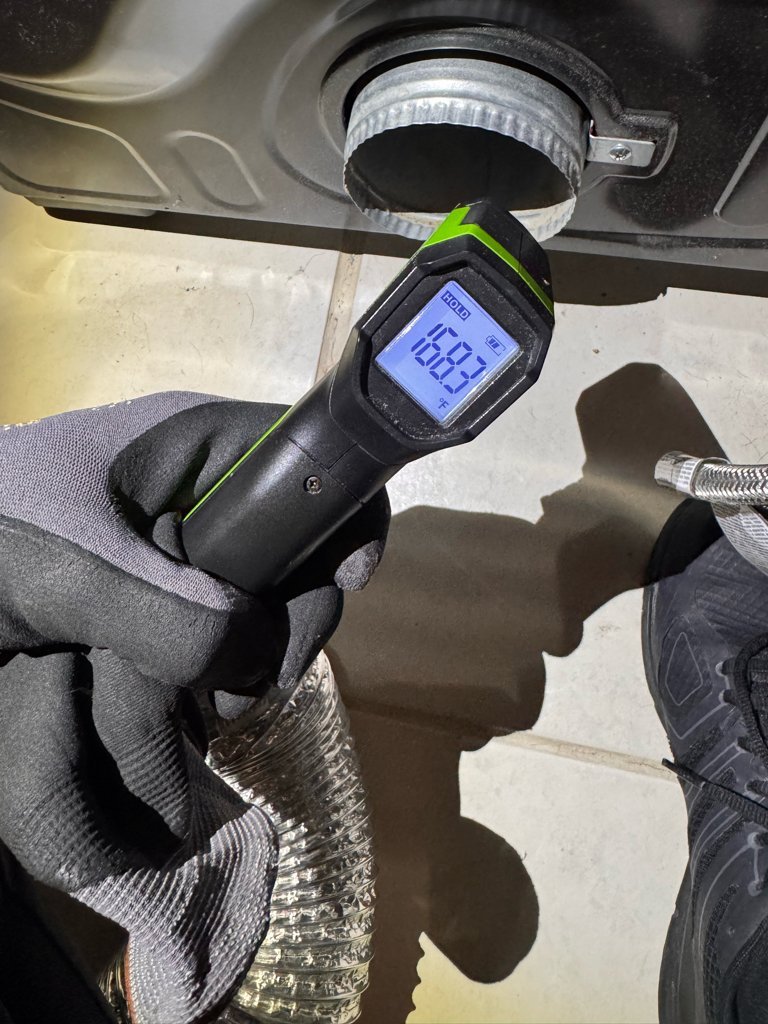
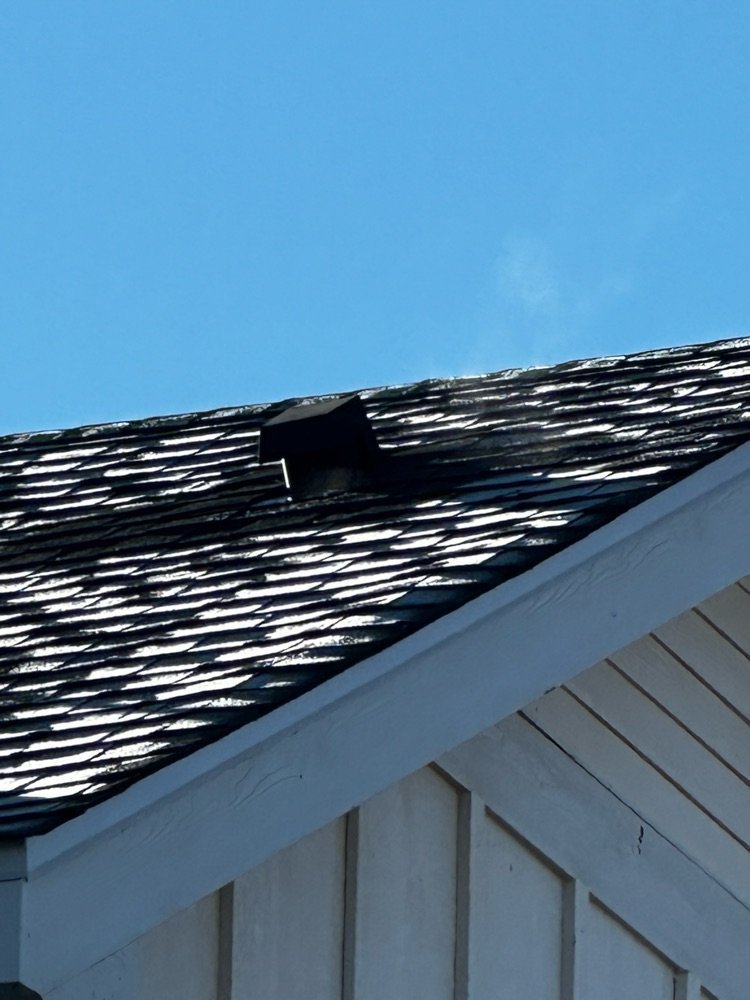
Many Denver-area homes, especially townhomes and condos, have long vent runs to the roof or through a wall. Those clog faster and need cleaning more often. Dryer fires peak in fall and winter when dryers run the most.
Photos from our service calls



When to call a technician
- The dryer doesn’t heat after the vent is cleaned.
- You can’t reach the whole duct, such as roof vents.
- You smell gas or burning.
FAQ
How often should I clean my dryer vent?
At least once a year. More often with long runs, large families or pets.
Is foil duct OK?
The CPSC recommends replacing plastic or foil accordion duct with rigid or semi-rigid metal.
Want a technician to do it? Call 720-230-1229. We serve Denver, Boulder County and 52 surrounding cities.