Oven Repair
Same-day oven repair in 52 Denver-area cities. Gas, electric, wall, double and steam ovens, all major brands.
Oven and range repair across the Denver metro, written up from our own service records. Since January 2024 our technicians have been called out to more than 650 ovens and ranges between Castle Rock and Longmont. This page is built from those visits: the faults we actually find, the brands we see most, the photos our techs took on the job and the questions homeowners ask us at the door. If your oven won’t heat, runs hot, clicks without lighting or shows a code, the answer is very likely somewhere below.
What 650+ oven calls taught us
Every visit ends with a short note from the technician: the model, the complaint and what was done. When we read through nearly three years of those notes, a clear picture came out. The table below groups what customers told us when they booked. One call can fall into more than one row, and the shares are rounded, so treat them as a guide to what is common rather than exact statistics.
| What the customer reported | Approx. share of oven & range calls | What we usually find |
|---|---|---|
| Error code, blank display or dead touch panel | about 1 in 4 | Failed control or relay board, a stuck key on the touch panel, a sensor reading out of range |
| Oven not heating or not baking evenly | about 1 in 6 | Open bake element, weak hot-surface igniter, tripped thermal fuse |
| Cooktop burner or surface element problem | about 1 in 6 | Clogged burner ports, bad spark module, worn infinite switch, cracked radiant element |
| Gas oven slow to light or not lighting at all | about 1 in 7 | Igniter that glows but draws too little current to open the gas valve |
| Temperature off, burning food, overheating | about 1 in 9 | Drifting temperature sensor, relay welded closed, miscalibrated offset |
| Door, hinge or lock trouble | about 1 in 11 | Broken hinge, self-clean lock motor or switch, cracked inner door glass |
| Convection fan noisy or not running | about 1 in 15 | Seized fan motor, loose fan blade, failed convection element |
The calls come from all over the Front Range. Longmont, Denver and Boulder send us the most oven work, followed by Littleton, Erie, Broomfield and Arvada. Among the calls where the tech recorded the brand, GE appeared most often, then Whirlpool, Samsung, LG and KitchenAid. That mix lines up with what builders installed in Colorado homes over the last fifteen years, which is why our vans carry igniters, bake elements and sensors for those brands as standard stock.
Gas oven not lighting: the igniter test we do first
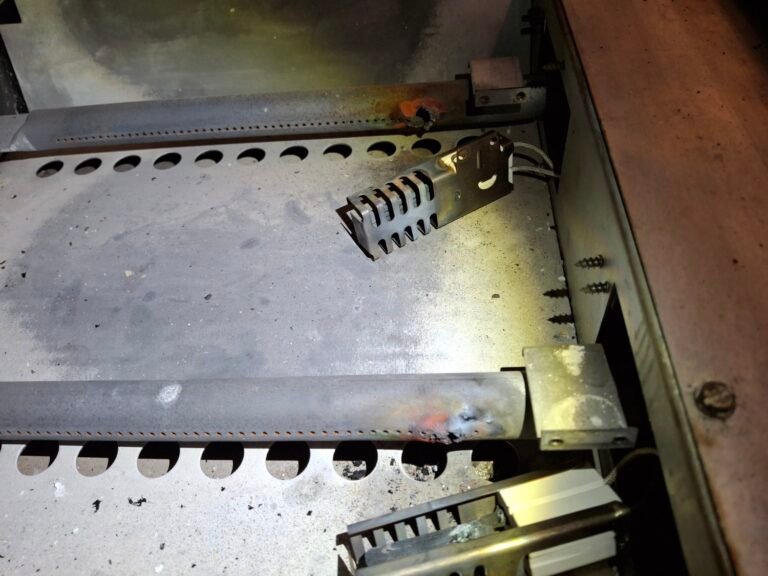
A gas oven igniter does two jobs. It heats up enough to light the gas, and it also acts as a switch: the safety valve only opens once current through the igniter reaches the valve’s rated amperage, usually somewhere between 2.5 and 3.6 amps depending on the manufacturer. Over time the silicon carbide or silicon nitride element ages, its resistance climbs and the current drops. The igniter keeps glowing, but the valve never opens, or opens after a long delay with a loud whoomp.
That is why the most common gas oven complaint we hear is “it glows but nothing happens” or “it takes three or four minutes to light”. On arrival the tech puts an amp clamp on the igniter circuit during a bake call. If the reading is below the valve’s spec, the igniter is replaced, not the valve. We would rather prove the fault with a meter than swap parts and hope.
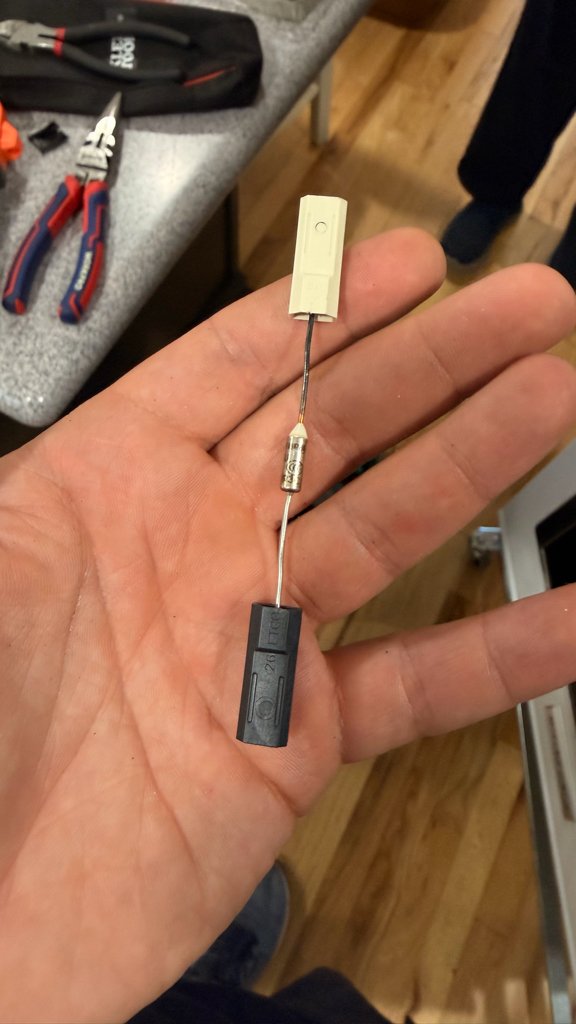
What you can check before calling: make sure the range is plugged in (gas ranges still need 120 volts for the igniter and clock), the gas shutoff behind the range is turned in line with the pipe, and the cooktop burners light. If the burners work and the oven does not, the igniter or valve is the likely culprit.
Electric oven not heating: elements, fuses and relays
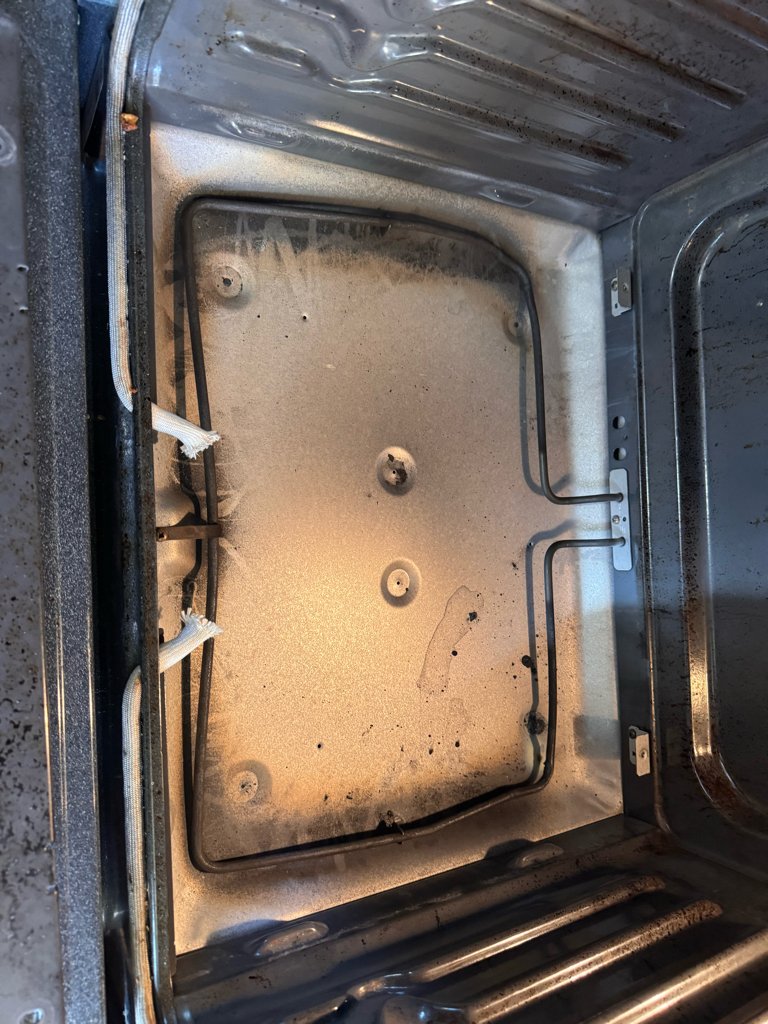
An electric oven heats with a bake element at the bottom (sometimes hidden under the floor panel), a broil element at the top and, on convection models, a third ring element behind the rear fan cover. A burned-out element often shows a visible blister or break, but hidden elements can fail with no sign at all. We test each one for resistance; a healthy bake element on a 240-volt oven typically reads in the 15 to 30 ohm range, and an open circuit means it is done.
When the elements test good, the next suspects are the thermal fuse, which trips after an overheating event such as a long self-clean cycle, and the relay on the control board that sends power to the element. A relay can fail open, so the oven never heats, or weld shut, so the oven keeps heating past the set point. The second case is a safety issue and the reason we tell customers to switch the breaker off if the oven runs hot with the controls turned off.
Error codes, blank displays and control boards
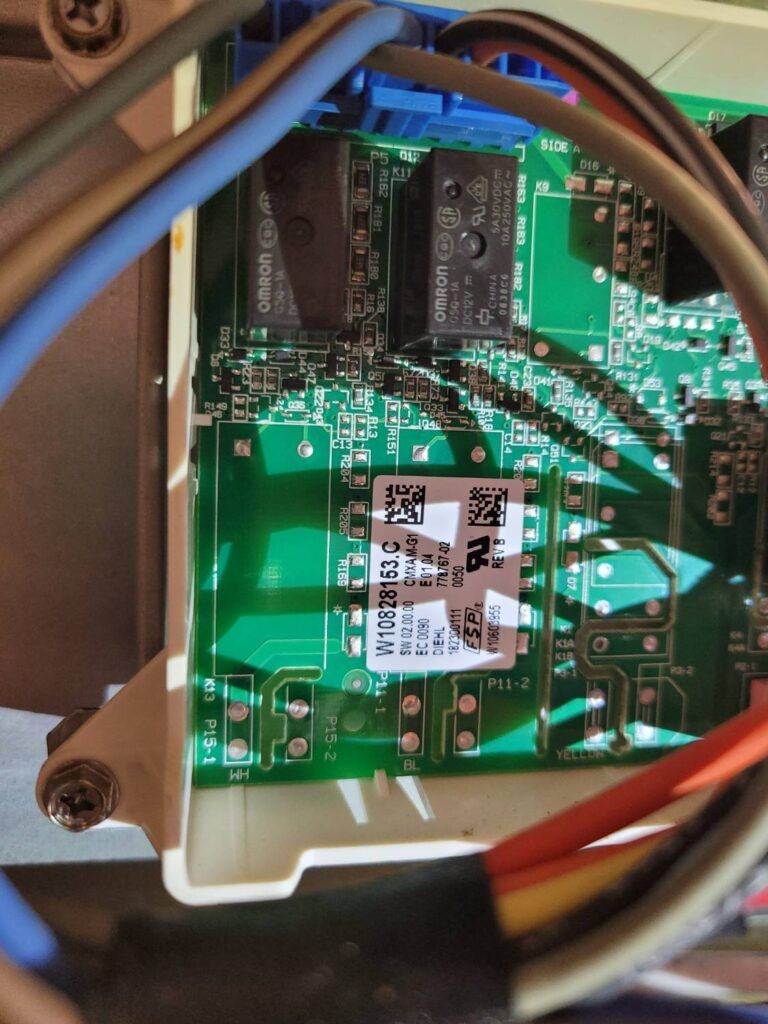
A code on the display is the oven telling us which circuit it doesn’t trust. It is a starting point, not a verdict. On many GE models, F3 and F4 point to the oven temperature sensor circuit. On Whirlpool, KitchenAid and Maytag ovens, F3 codes cover the sensor circuit as well. Codes that start with F1 on several brands relate to the control board itself, and door lock codes usually follow a self-clean cycle that ended badly. Because the same symptom can be caused by a sensor, a harness or the board, we measure before ordering parts. For brand-specific lists see our pages on GE oven error codes, Whirlpool oven codes, Samsung oven codes, LG oven codes, KitchenAid oven codes, Frigidaire oven codes and Bosch oven codes.
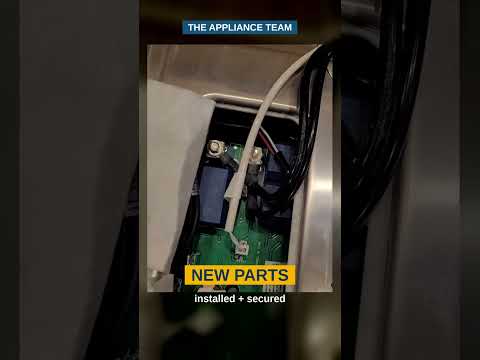
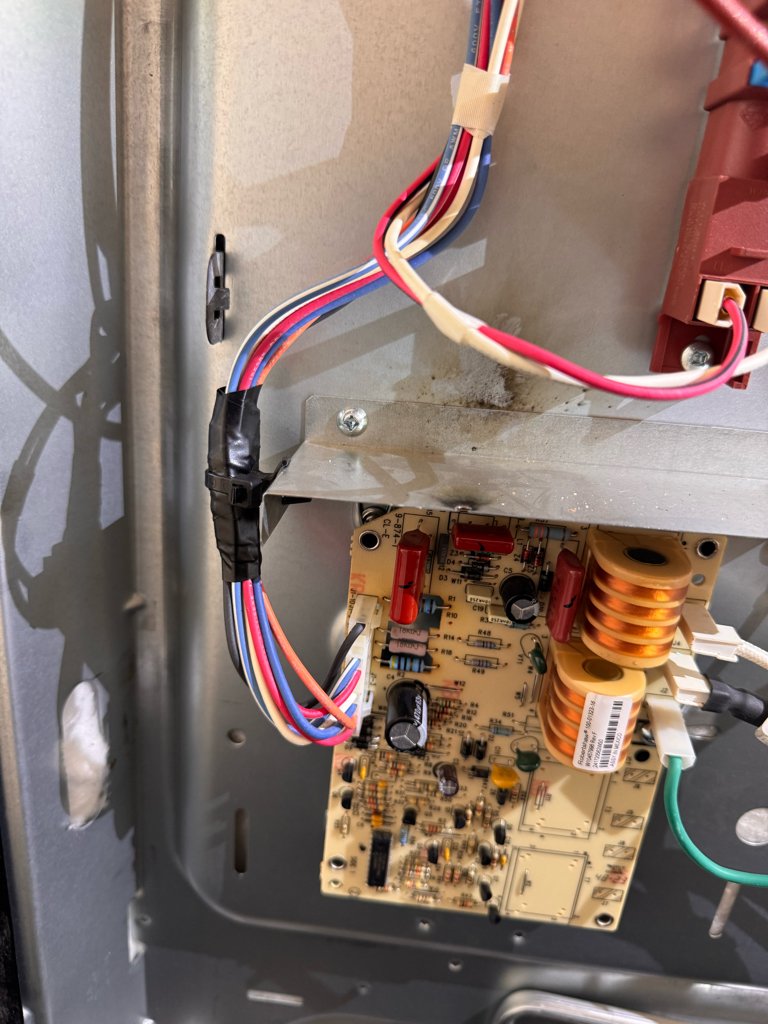
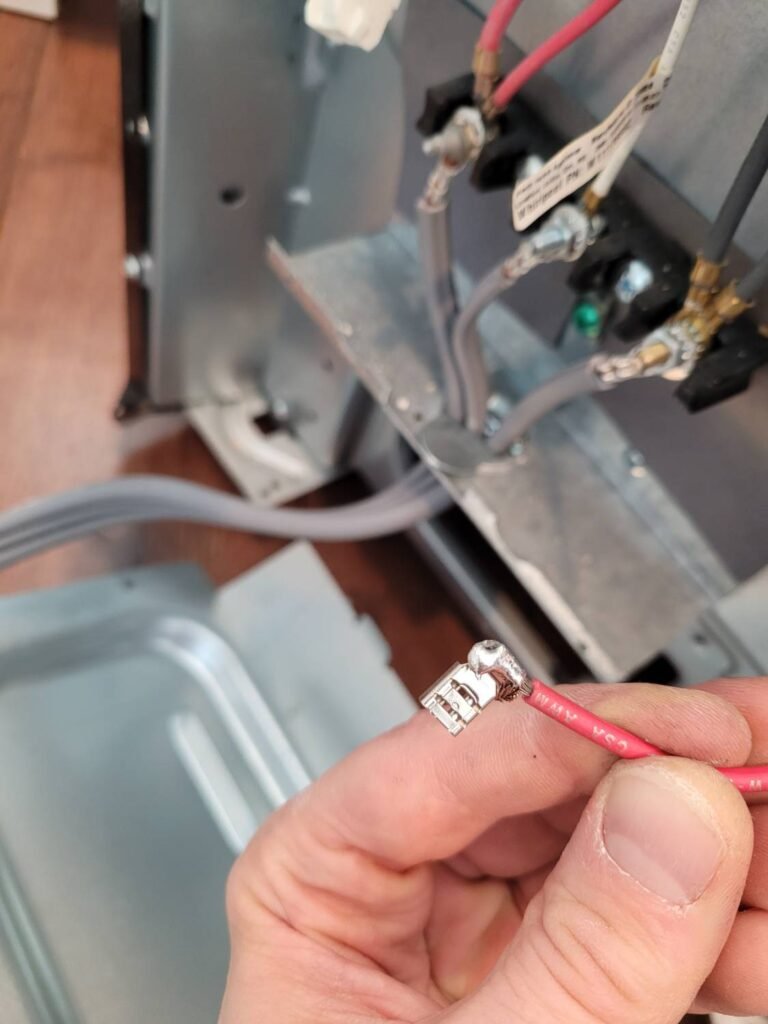
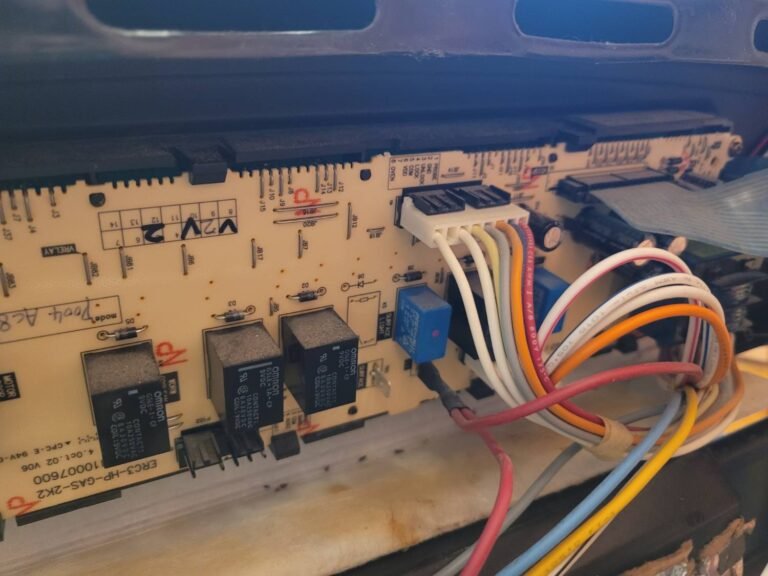
Control boards are expensive, so we look for cheaper causes first. Loose or heat-darkened connectors are common on older ranges, and a single burnt spade terminal can make a board look dead. In those cases a new terminal and a cleaned connection fix the oven for a fraction of the board price.
Convection fans, door locks and other mechanical faults
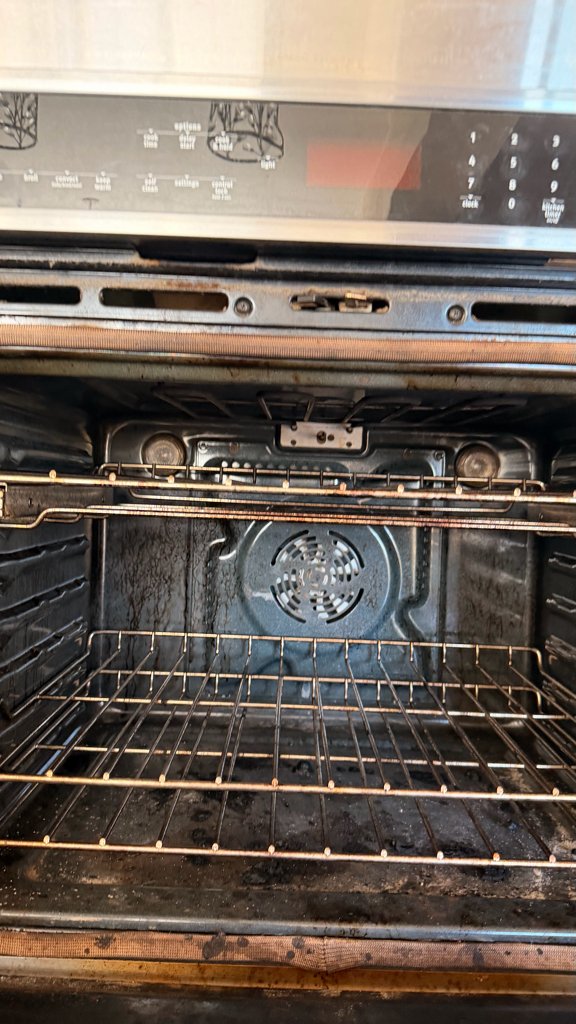
Convection ovens add a fan behind the back wall. When its bearings wear, the oven starts to scrape or hum, and eventually the fan stops and baking becomes uneven again. Fan motors are model-specific parts. On a KitchenAid convection call last year, for example, the technician recorded the exact part number during the first visit so the correct fan part could be ordered rather than guessed.
Door problems are mostly hinges that sag after years of people leaning on an open door, and self-clean locks that stay latched. If the door is locked after self-clean and the oven has cooled for an hour, don’t force it. The lock motor or its switch has usually failed, and prying the door can bend the latch and the door liner.
Recent oven repairs around the metro
A sample of real calls from the last few months, with names and addresses removed:
- Superior, October 2026: Bosch 30-inch single wall oven (model HBL8453UC) slow to preheat. The customer also booked a check of the other major appliances during the same visit.
- Denver, October 2026: second opinion on two ZLINE ovens that would not hold temperature after another company’s visit.
- Arvada, September 2026: Kenmore oven beeping with an OE warning on the display.
- Superior, October 2026: KitchenAid oven that needed replacement racks.
- Boulder, August 2026: Frigidaire gas range that would not turn on, with a gas odor reported by the customer when booking.
- Arvada, September 2025: KitchenAid oven with a convection fan complaint; the part number was recorded on the first visit.
Ranges, wall ovens and pro-style cooking
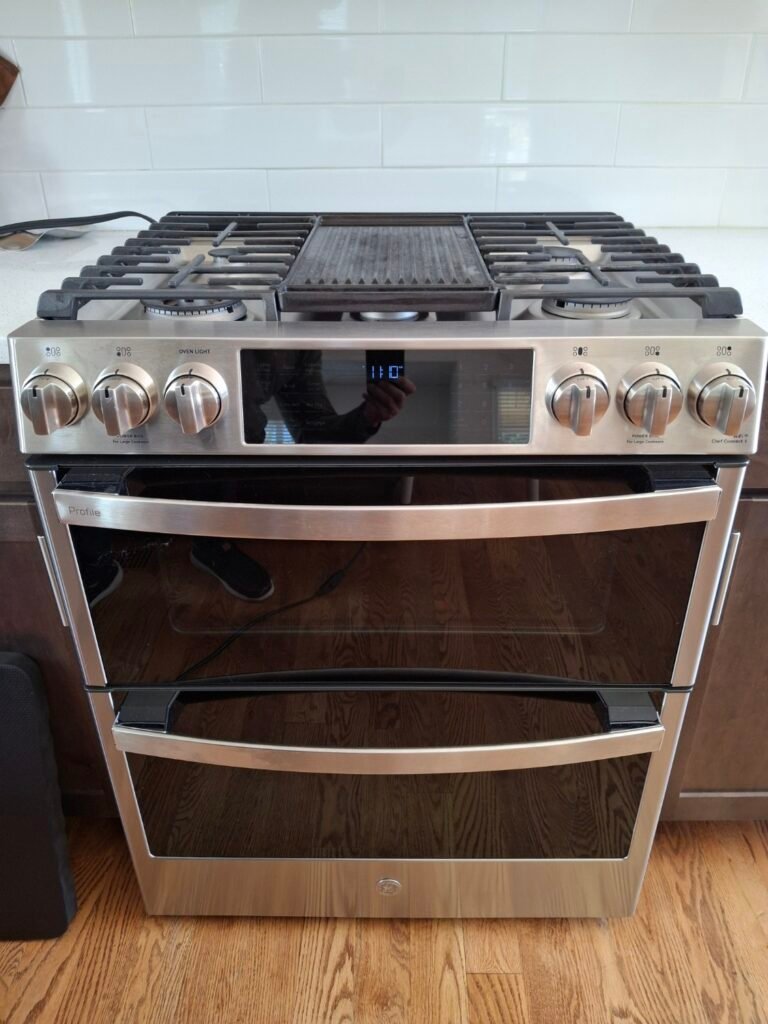
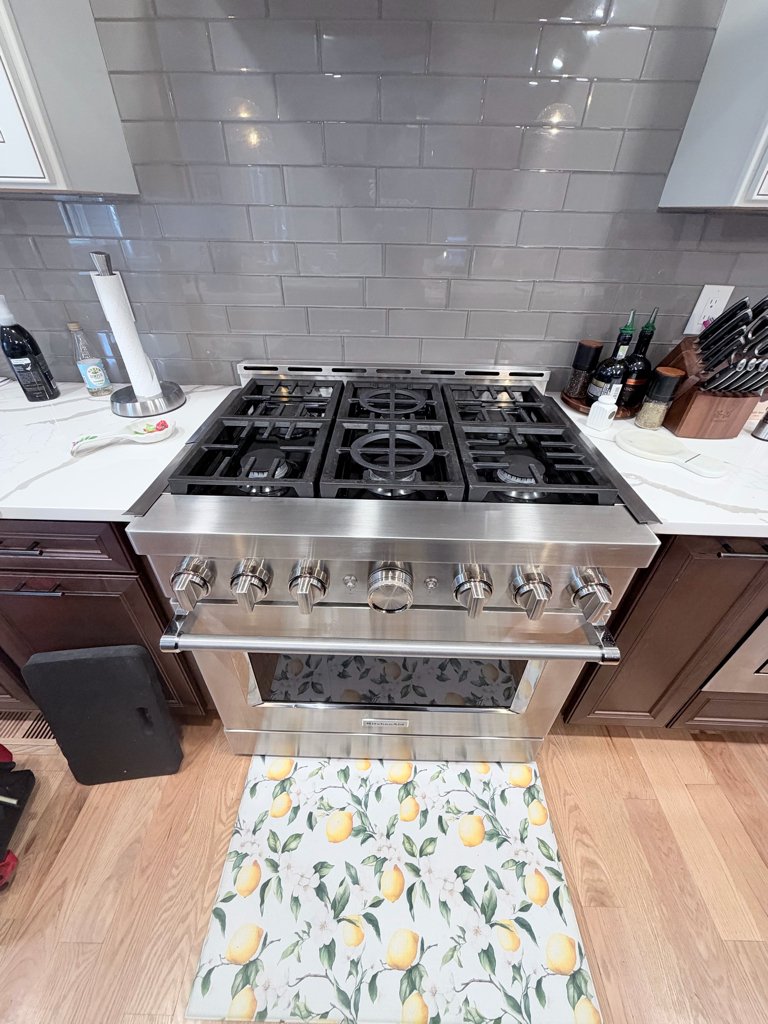
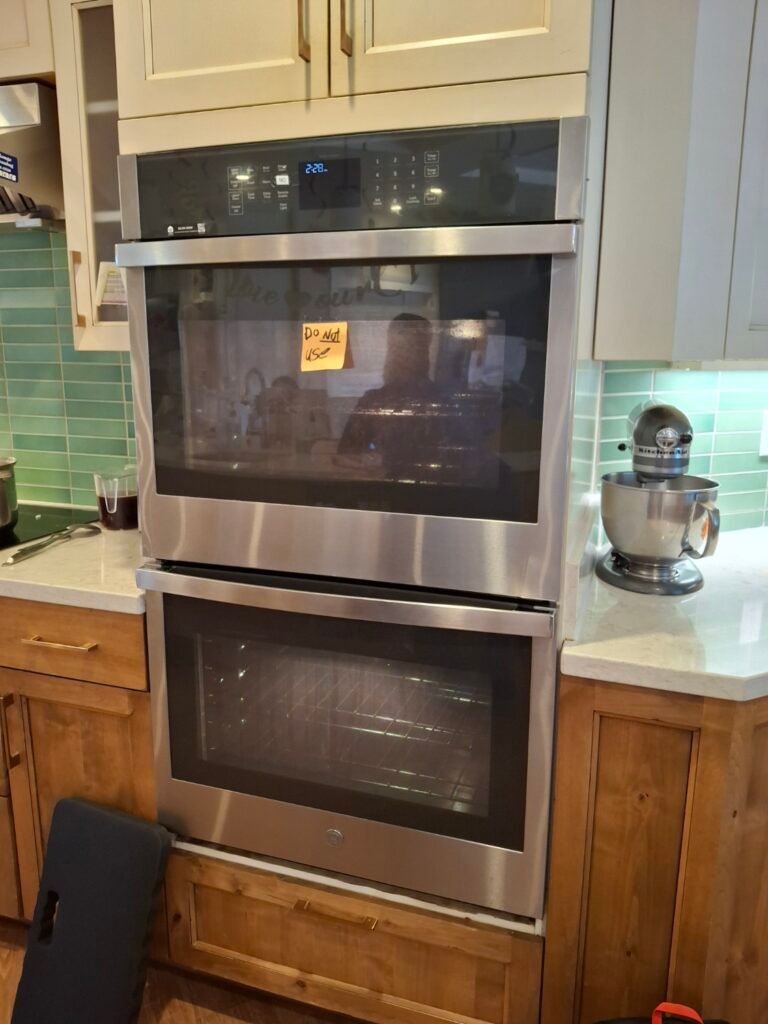
We repair every format: freestanding and slide-in ranges, single and double wall ovens, combination wall ovens with a microwave on top, steam and speed ovens, and pro-style dual-fuel ranges. If the problem is on top of the range rather than inside it, see range repair and cooktop repair.
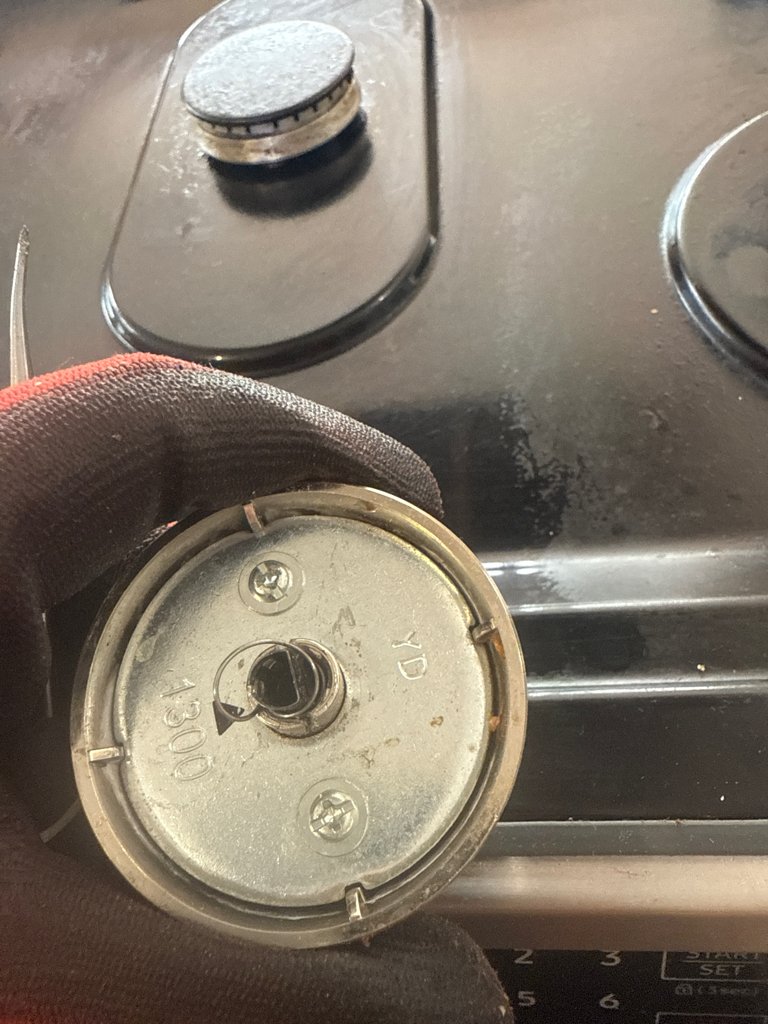
Brand pages with model-specific notes: GE oven repair, Whirlpool oven repair, Samsung oven repair, LG oven repair, KitchenAid oven repair, Bosch oven repair, Wolf oven repair and Viking range repair.
Cooking at 5,280 feet: oven problem or altitude?
A lot of people who move to Colorado decide their new oven is broken because cookies spread, cakes fall or bread dries out. Usually the oven is fine. At Denver’s elevation water boils near 202°F, batters lose moisture faster and leavening works harder, so sea-level recipes need adjusting. Before booking a repair, try this: set the oven to 350°F, put a standalone oven thermometer in the center of the middle rack and read it after twenty minutes. Within about fifteen degrees either way is normal cycling. Further off than that, or an oven that never settles, is worth a visit. Many electronic ovens also let you shift the temperature offset by up to 35 degrees in the settings menu.
Gas odor and other safety calls
If you smell gas and no burner is lit, stop using the range, don’t flip light switches, open a window and leave the house. Call your gas utility from outside; Xcel Energy serves most of our area. Once the utility has made the home safe, we can find and repair the fault in the appliance. A faint smell for a second or two while a gas oven lights is normal; a smell that lingers is not.
Brand by brand: what our service notes show
Sample sizes per brand are small, so read this as a pattern from our own calls rather than a reliability ranking. It does help us decide which parts to keep on the van.
| Brand | What comes up most in our notes | What we check first |
|---|---|---|
| GE, Café, Profile, Monogram | Control and display faults, gas ovens slow to light, cooktop burners, door and lock issues | Sensor resistance, igniter amp draw, lock switch |
| Whirlpool | Oven not heating, control faults, igniters, cracked door glass | Bake element, thermal fuse, igniter |
| Samsung | Not heating, error codes, door and lock problems, temperature complaints | Relay board output, sensor, door lock assembly |
| LG | Error codes and display problems far ahead of anything else | Board connectors, sensor, keypad |
| KitchenAid | Control and code faults, temperature, convection fan | Sensor, fan motor, board |
| Bosch | Slow preheat, error codes, temperature | Elements, sensor, cooling fan |
| Viking | Gas ignition and burners | Spark module, igniters, burner ports |
| Frigidaire and Kenmore | Not heating, gas ignition, control faults | Igniter, bake element, board |
Where to find your model number
Sending the model number when you book is the single best way to get a repair done in one visit, because it lets us check part availability before we arrive. On most freestanding and slide-in ranges the tag is on the frame behind the storage or warming drawer: pull the drawer out and look along the left or right edge. On wall ovens, open the door and look along the side trim or the underside of the control panel. Some older ranges put it on the back panel or under the cooktop. A clear phone photo of the tag works just as well as typing it out.
Repair or replace?
We’ll tell you plainly when an oven isn’t worth fixing. As a rule of thumb, repair makes sense when the oven is under about 15 years old and the repair costs less than half of a comparable new unit installed. Igniters, elements, sensors, door hinges and fan motors almost always pass that test. A failed control board on a budget range that is already 15 years old often does not. Wall ovens and pro-style ranges are worth repairing much longer, because replacing them means cabinet work and a much bigger bill. If replacement is the better call, we can handle kitchen appliance installation as well.
How a visit works and what it costs
- Book online or call. Tell us the brand, model if you have it, and what the oven is doing. Same-day visits are available on most weekdays.
- Diagnosis. The technician tests the circuit instead of guessing: amp draw on igniters, ohms on elements and sensors, voltage at the board.
- Written price first. You get the full price before any part is replaced. The fee service visit is credited when you go ahead with the repair.
- Repair. Common parts for major brands ride in the van; model-specific parts are ordered and installed on a second visit.
- Warranty. Parts and labor are covered for 90 days.
Labor for most oven repairs on our price list starts at $179, with parts priced separately. Igniters and electronic control boards are the two repairs we quote most often; double wall ovens and premium brands come in higher. We serve the whole metro every day, including Denver, Boulder and Longmont.
Keeping your oven out of trouble
- Go easy on self-clean. Hours at extreme heat are hard on fuses, locks and boards. Wipe spills while the oven is warm and use self-clean a few times a year at most, never right before a holiday.
- Keep foil off the floor. Lining the oven bottom traps heat around hidden bake elements and can damage the enamel.
- Clean the burner ports. Boil-overs clog the small ports on gas burners and cause uneven flames or clicking. A soft brush and a dry paper clip fix most of it.
- Don’t lean on the open door. Hinges and their receivers wear quickly when the door is used as a step or a shelf.
- Mind the vent. On ranges the oven vents under a rear burner or through the backguard. Blocking it with pans or foil overheats the controls.
In Denver? See Oven Repair in Denver → for same-day visits across the city.
Common Oven Repair Issues We Fix
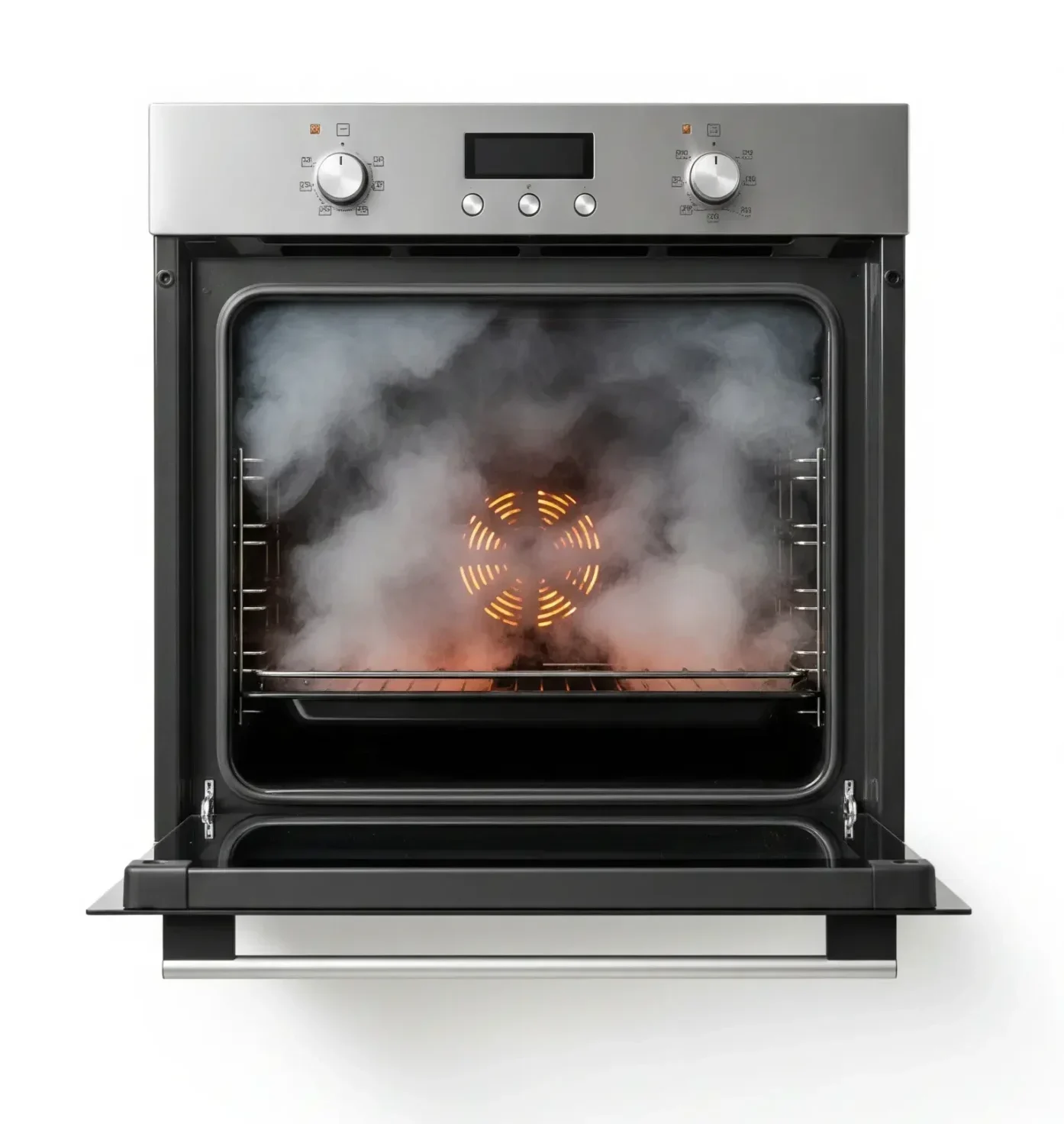
How much does oven repair cost in Denver?
Oven Repair starts at $179*. The $59 service call is free when we do the repair, and you approve a written quote before any work begins.
| Repair | From* |
|---|---|
| Bake or broil element | $179+ |
| Oven igniter | $179+ |
| Temperature sensor | $179+ |
| Convection fan motor | $259+ |
| Control board | $259+ |
* Starting prices are for labor; parts are listed separately in your written quote. Final price depends on the model and diagnosis.
See full price list →













Frequently Asked Questions
Because glowing is not enough. The igniter also has to pass enough current to open the gas safety valve, and an aging igniter keeps glowing while its current drops below that point. We confirm it with an amp clamp during a bake call. A new igniter is one of the most common oven repairs we do and the part is usually on the van.
If the code clears and the oven heats normally, occasional use is usually fine until we arrive. Stop using it and switch off the breaker if the oven keeps heating with the controls off, smells of burning plastic, or the code points to a runaway temperature. Those signs can mean a relay stuck closed.
Often, yes. We carry the parts that fail most on GE, Whirlpool, Samsung, LG and KitchenAid ovens, so igniters, bake elements and sensors are usually replaced the same day. Control boards and brand-specific parts may need to be ordered; in that case we lock in the price and come back to install it.
We repair ovens in or out of manufacturer warranty. If yours is still covered, call the manufacturer first, because an authorized servicer may handle the repair at no cost to you. If the wait is too long or the coverage has ended, we can take the job and back our own work with a 90-day parts and labor warranty.
Please don't. Self-clean is the single most common trigger we see for blown thermal fuses, failed door locks and cooked control boards. Wipe out loose spills instead and let the technician look at the oven first. If the door is already locked after a cycle, leave it alone and mention it when you book.
More About Oven Repair
Oven Repair by brand
Error codes by brand
Oven Repair by city
Troubleshooting guides
Maintenance guides
Service areas
From our blog
Oven not heating?
Call 720-230-1229 or book online. Same-day oven repair across the Denver metro, service fee waived with repair.