Wipe the door gaskets every month with warm, soapy water and check them with the dollar-bill test twice a year. A gasket that doesn’t seal lets warm, humid kitchen air in all day. The refrigerator runs longer, frost builds on the evaporator, and you end up with warm food, ice buildup and sweating doors.
What the door gasket does
The gasket is the rubber seal around each door. It has a magnetic strip inside that pulls it tight against the cabinet. When it seals, the cold air stays in and, just as important, the moisture in your kitchen air stays out. Every bit of moisture that gets inside ends up as frost on the coldest part of the system: the evaporator coil behind the freezer or fresh-food panel.

This guide is part of our refrigerator maintenance checklist. On the same appliance, also check refrigerator condenser coil cleaning and refrigerator water filter replacement. Related guides for other appliances: freezer door and lid seal care, commercial door gaskets, hinges and temperature logs and oven door gasket and hinges.
What happens if a gasket leaks
A leaking gasket doesn’t just let cold air out. It lets warm, humid kitchen air in, 24 hours a day. That moisture has to go somewhere, and it ends up as frost and water in the places that cause the most damage.
A small gap opens Early
Inside: A torn corner, a folded seal or a sticky spill holds the gasket open. Warm air slips in.
You notice: Water drops on the door edge, or sweating between French doors.
The compressor runs longer Growing
Inside: Every hour the system has to cool the air that leaked in and pull its moisture out.
You notice: The fridge runs more often. Higher electric bill.
Frost overloads the evaporator Serious
Inside: Moisture freezes on the evaporator coil faster than the defrost cycle can melt it.
You notice: Frost on food packages and freezer walls, ice crystals in ice cream.
Airflow and drains get blocked Severe
Inside: Frost packs the coil fins. Extra meltwater overloads the defrost drain, which can freeze solid.
You notice: Warm fresh-food section, water under the crispers, ice on the freezer floor.
Fans, heaters and food suffer Critical
Inside: Ice reaches the evaporator fan. The defrost heater works overtime. Long run times wear the compressor.
You notice: Scraping or rattling fan, food spoiling, water on the kitchen floor.
What it can cost you
Higher electric billFrost and freezer burnSpoiled foodWater leaksEvaporator fan damageExtra compressor wear

Why moisture is the real problem
Your refrigerator removes moisture from the air on purpose: it freezes it onto the evaporator coil and melts it off in a defrost cycle a few times a day. That system is sized for the air that comes in when you open the door normally.
A leaking gasket adds a steady stream of humid air the system was never designed to handle. The frost builds faster than defrost can clear it, the meltwater outruns the drain, and the problem moves from the door to the inside of the machine.
What good gaskets get you
- Less frost and fewer defrost and drain problems.
- Steady temperatures and fresher food.
- Shorter run times and lower electricity use.
- No sweating doors or water on the floor.
Utilities recommend the same check for a reason: a refrigerator with a bad seal works harder, wastes electricity and can wear out sooner. The fix is often just cleaning, or a gasket that costs far less than the repairs it prevents.
How to test your gaskets
- Dollar-bill test. Close the door on a dollar bill and slowly pull it out. You should feel steady drag. Repeat every few inches around the whole door, especially the corners and hinge side.
- Flashlight test. At night, put a lit flashlight inside, close the door and look for light around the edge. Light means a gap.
- Look and feel. Run your fingers along the seal. Look for tears, flattened or hardened spots, folds that don’t spring back and mold in the grooves.
- Check the door itself. Open the door about halfway and let go. Most refrigerators are set slightly higher at the front so the doors swing shut on their own. If yours doesn’t, the leveling legs may need adjusting.
How to clean and care for gaskets
- Wipe the gasket and the cabinet surface it touches with warm water and a little dish soap.
- Use a soft toothbrush in the folds, where crumbs and sticky spills collect and hold the gasket open.
- Dry it completely. Don’t use bleach, solvents or abrasive cleaners; they harden the rubber and make it crack.
- If a fold is stuck from shipping or from being pinched, warm it with a hair dryer on low and press it back into shape.
- Keep food and shelves from pushing against the door. An overloaded door bin can keep the door from closing fully.
Brand notes
| Brand / style | What to watch |
|---|---|
| French-door models (Whirlpool, KitchenAid, Maytag, GE, Samsung, LG) | The left door has a hinged center flap (the mullion) that the right door seals against. If the flap is bent or doesn’t flip, both doors leak in the middle. Sweating in that area is a common sign. |
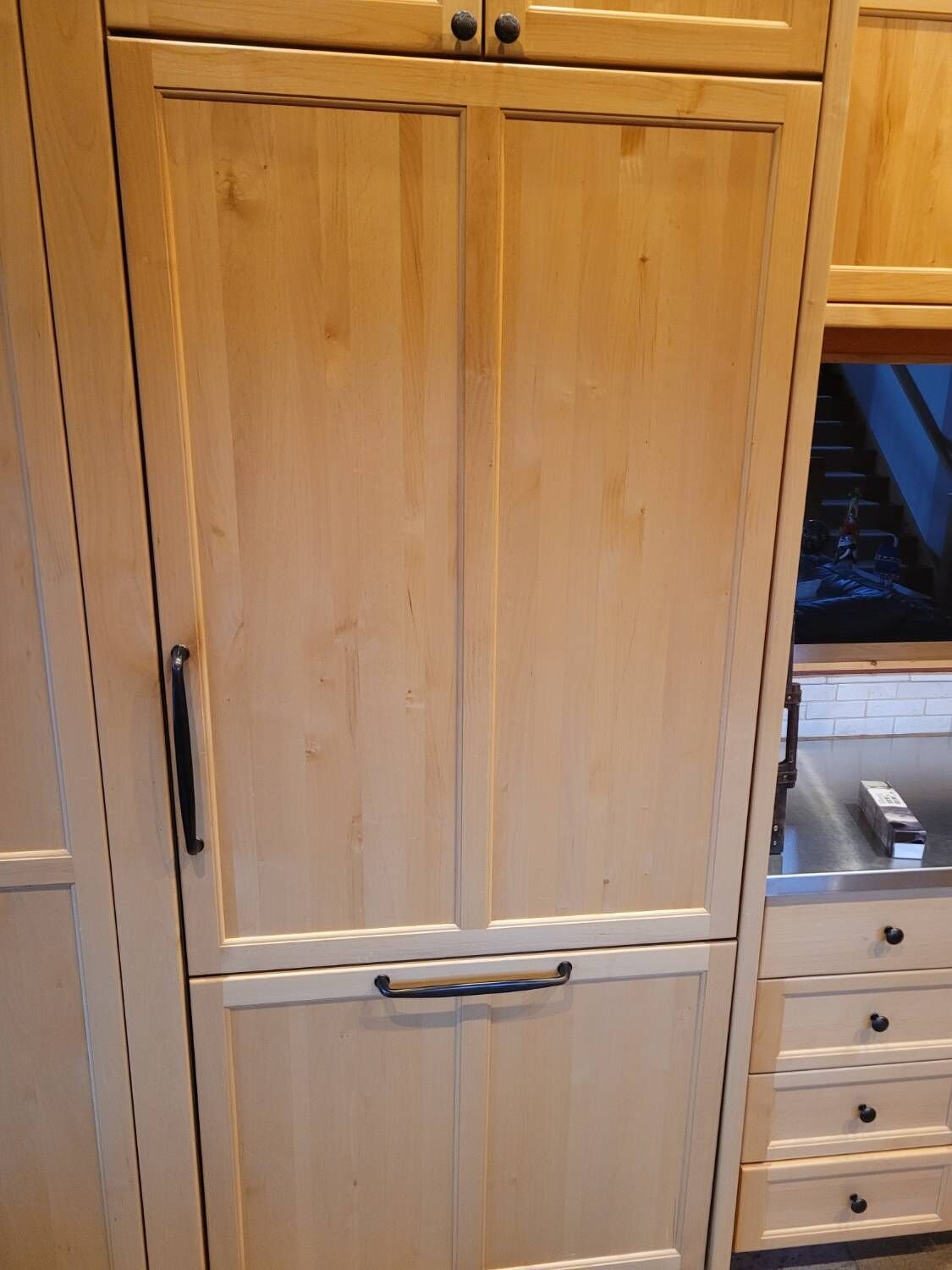
| Sub-Zero and other built-ins | Heavy doors and tall gaskets. Hinge wear or door sag can open a gap at the top corner. Gaskets are model-specific. |
| Freezer drawers | The drawer must close flush on both sides. A bent slide or ice under the rails keeps the gasket from sealing, which leads to frost and ice on the freezer floor. |
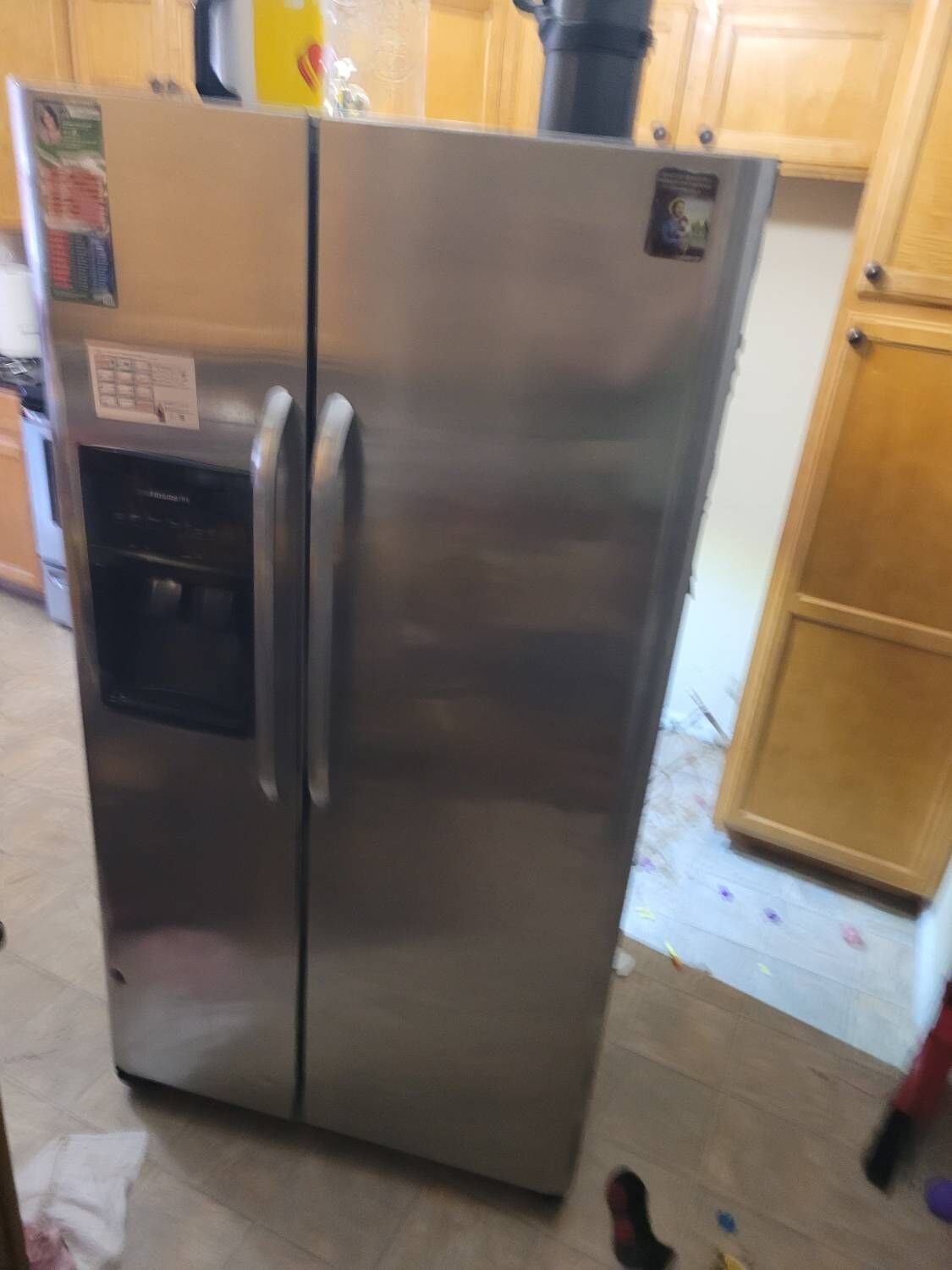
| Top-freezer and side-by-side | Hinge-side corners wear first. Check that the doors close on their own. |
Denver area notes
Denver’s air is dry, which hides small gasket leaks for a while. When the humidity jumps, during summer storms or when you cook for a crowd, the same leak suddenly shows up as sweating doors and frost. Garage refrigerators have it worst: their gaskets see heat, cold and sun, and they harden faster.
When to replace a gasket or call us
- The gasket is torn, cracked or hard and flat in spots.
- It fails the dollar-bill test after cleaning.
- The door sags or won’t close on its own after you adjust the legs.
- You find frost on the evaporator or ice on the freezer floor. That usually needs a full defrost and a check of the defrost system too.
FAQ
How often should I clean refrigerator door seals?
A quick wipe every month and a full test twice a year is enough for most kitchens.
Why are my French doors sweating in the middle?
Usually the center flap isn’t sealing, one door is lower than the other, or the gaskets are dirty or folded.
Can I replace a gasket myself?
Many gaskets press into a channel or are held by screws under the edge. It’s doable, but the gasket must match your exact model and needs time to settle before it seals well.
Is frost in the freezer always a gasket problem?
No. A failed defrost heater, sensor or control can cause it too. If the gasket checks out, the defrost system is next.
Want a technician to do it? Call 720-230-1229. We serve Denver, Boulder County and 52 surrounding cities.
Sources
Photos from our service calls