
Keep the oven floor and burner area free of spills, and pay attention when preheating starts taking longer. On most gas ovens, a weakening hot-surface igniter is the classic cause of slow preheats and, eventually, an oven that won’t heat at all.
How a gas oven lights
Most gas ovens use a hot-surface igniter: a ceramic element that glows bright orange. It must reach a certain current before the gas valve opens. As igniters age they draw less current, so the valve opens later or not at all.
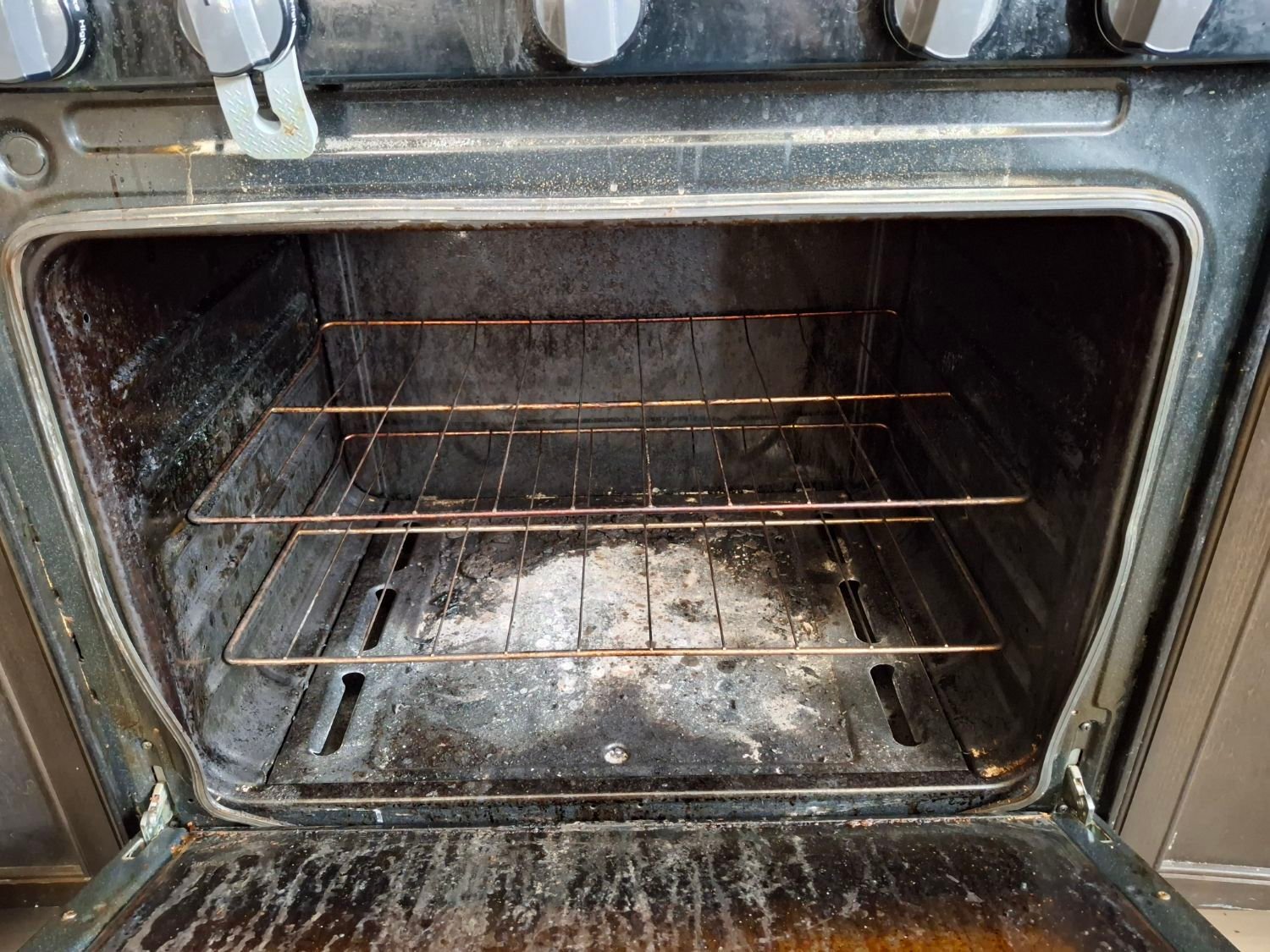
Spills that run under the oven floor coat the burner and igniter and can block burner ports.

This guide is part of our oven and range maintenance checklist. On the same appliance, also check oven door gasket and hinges and oven self-clean cycle. Related guides for other appliances: gas burner and igniter cleaning.
What happens if you ignore the signs
Igniters rarely fail without warning. Preheat time is the warning.
Spills reach the burner Early
Inside: Grease and sugar drip through vents onto the burner and igniter.
You notice: Smoke or smell when baking.
Igniter weakens Growing
Inside: The igniter glows but draws less current with age.
You notice: Preheat takes 20, 30 or more minutes.
Delayed ignition Serious
Inside: The valve opens late, so gas lights with a small whoomp.
You notice: A soft boom or flame roll-out when the oven lights.
Uneven or yellow flame Severe
Inside: Clogged burner ports burn poorly.
You notice: Yellow, lazy flame, soot, uneven baking.
No heat Critical
Inside: The igniter no longer opens the valve, or it breaks.
You notice: Igniter glows but no flame, or no glow at all.
What it can cost you
Slow preheatsUneven bakingSoot and odorIgniter replacementGas valve stress

What attention to preheat time gets you
- Fast, reliable preheats.
- A clean, blue burner flame.
- A planned igniter replacement instead of a surprise.
Warning signs
- Preheat takes much longer than it used to.
- A soft boom when the oven lights.
- Yellow or uneven flame in the burner.
- The igniter glows but the oven doesn’t heat.
- A gas smell (leave and call the gas utility).
How to care for a gas oven burner
- Wipe spills off the oven floor once it’s cool.
- Don’t block oven floor vents with foil.
- Time your preheat to 350°F now and then so you notice if it’s getting slower.
- Watch the flame through the floor vents: it should be mostly blue.
- If you ever smell gas, turn off the oven, leave the house and call the gas company from outside.
Brand notes
| Brand | What to know |
|---|---|
| Viking | Igniters and burners are common repairs on older ovens; we replace them together when both are worn. |
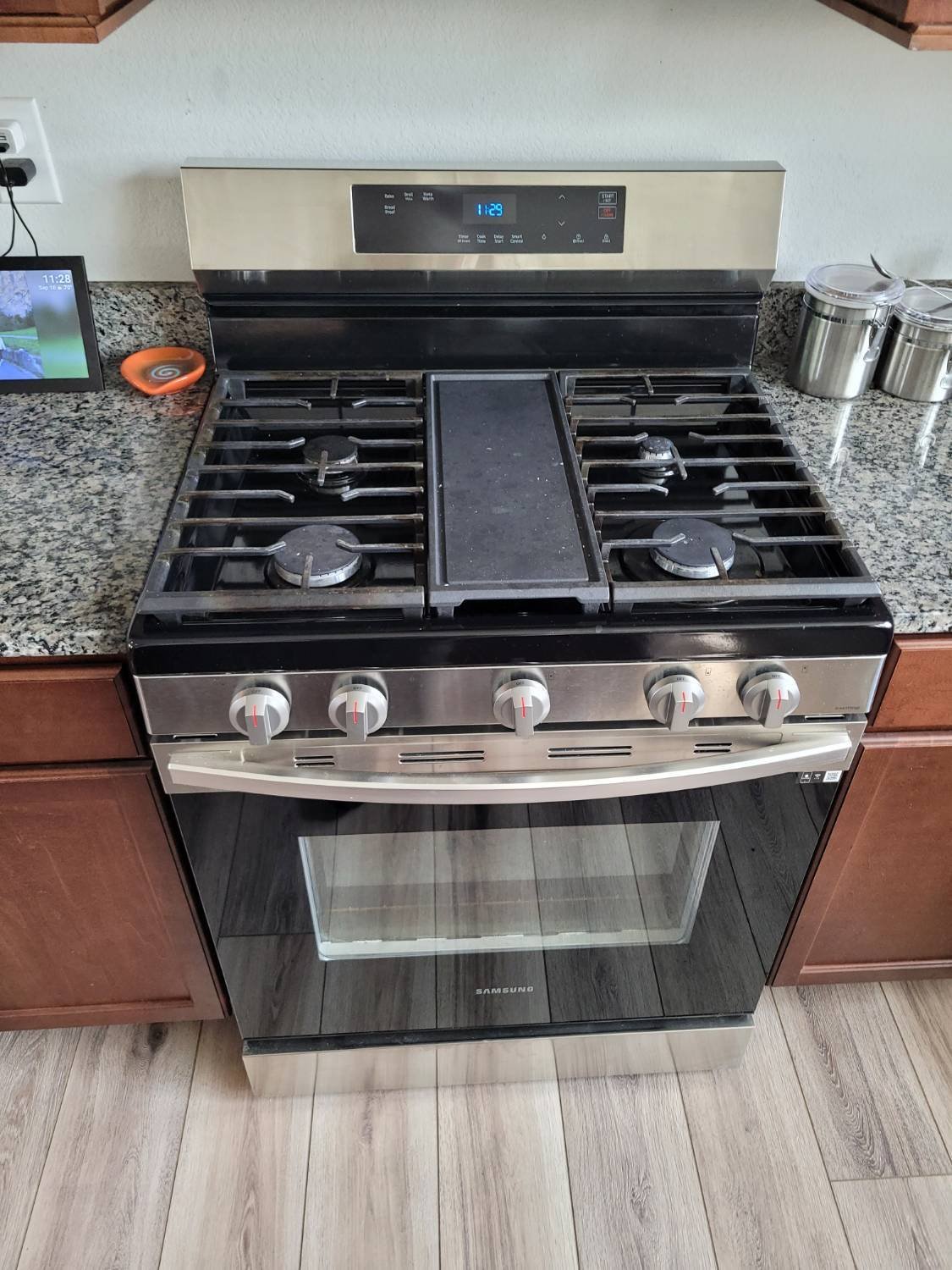
| Samsung | Bake igniters cause no-heat calls on gas ranges. |
| Whirlpool / Maytag / GE | Hot-surface igniters weaken with age; slow preheat is the main sign. |
| Wolf | Dual-fuel and gas ranges use igniters for both oven and broil. |
Denver area notes
At Denver’s altitude gas burns with less oxygen, and some appliances need high-altitude adjustment. If flames are yellow or lifting after a new install, have the setup checked.
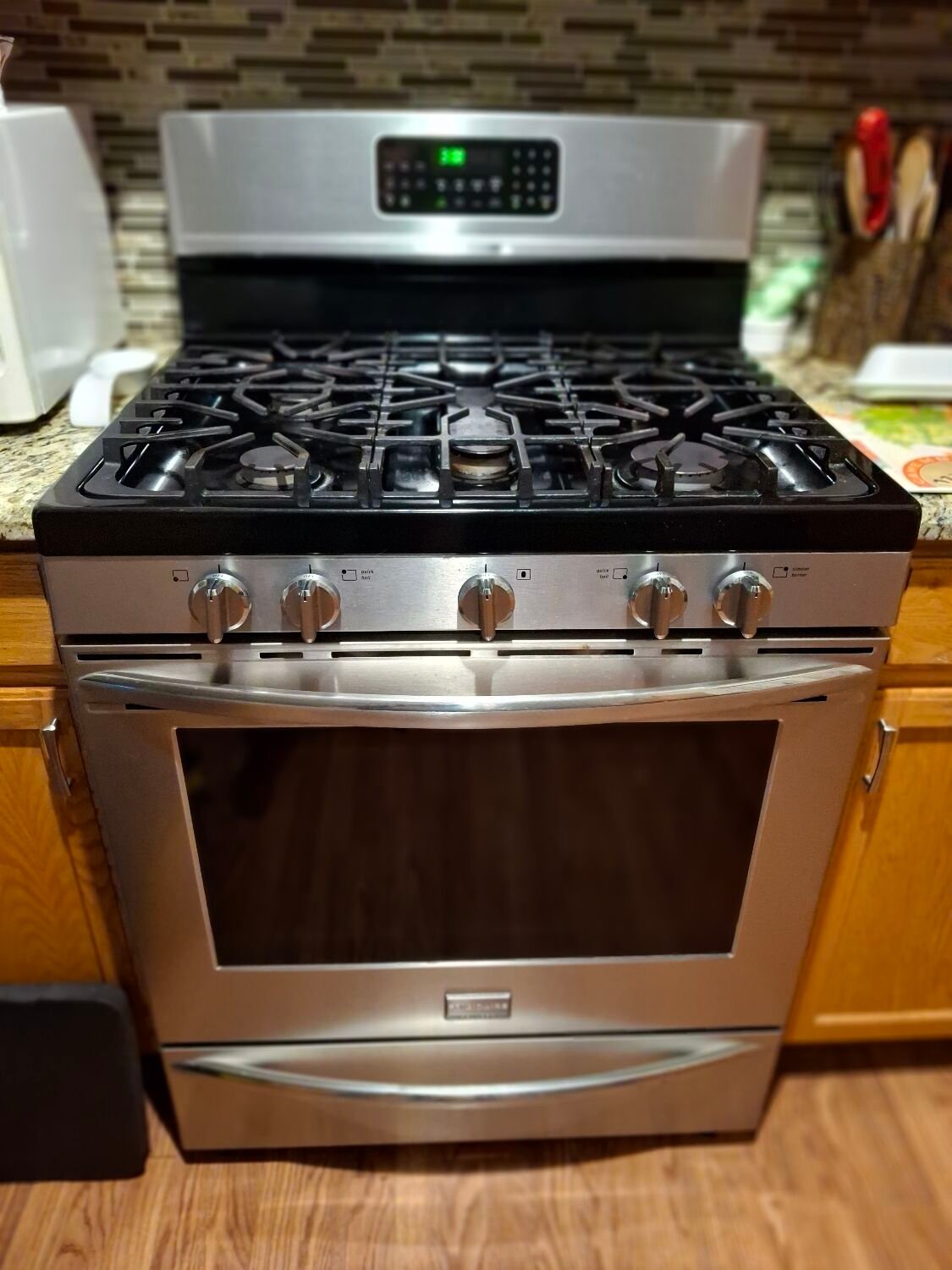
Photos from our service calls
When to call a technician
- Preheat takes more than 20 minutes.
- You hear a boom when the oven lights.
- Flames are yellow or sooty.
- You smell gas.
FAQ
Why does my gas oven take forever to preheat?
The most common cause is a weak igniter.
Is a yellow flame dangerous?
It means poor combustion and should be checked. Whirlpool lists clogged ports, misaligned caps and an incorrect LP conversion as causes.
Want a technician to do it? Call 720-230-1229. We serve Denver, Boulder County and 52 surrounding cities.